Straight teeth are easier to clean and kinder to the jaw. Braces and clear aligners both move teeth with controlled pressure. They are not interchangeable for every case, and the “discreet” option only works if it is worn as prescribed.
Traditional braces
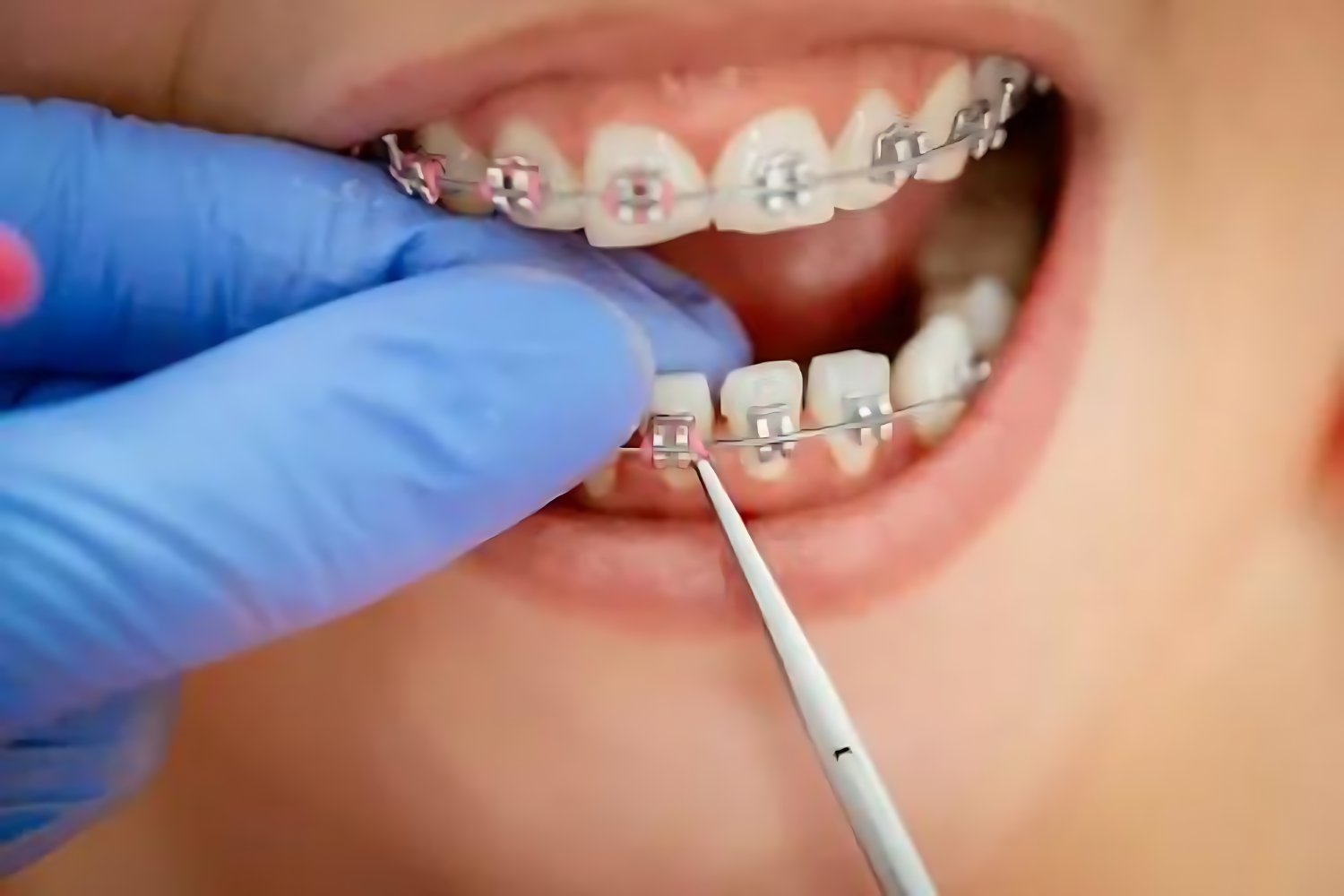
Braces use brackets and wires that stay on the teeth. They are reliable for crowded teeth, rotations, and many bite corrections. You cannot take them off, which is an advantage for patients who might forget removable trays. Food gets caught easily, so brushing after meals matters. Modern brackets are smaller than older systems, and tooth-coloured options reduce how noticeable they are.
Clear aligners
Aligners are a series of removable trays. They are nearly invisible in photos and come out for meals, which makes eating simpler. They need about 20 to 22 hours of wear each day. Skipping trays or losing them stretches treatment and can let teeth drift back. Mild to moderate crowding and spacing respond well. Complex bite changes may still need braces or a combined plan.
Questions worth asking
- Is the main goal cosmetics, bite correction, or both?
- Can you commit to full-time aligner wear, or would fixed braces be more realistic?
- Are there cavities or gum problems that should be treated first?
- What retainers will you need after the active phase ends?
Teeth that are not held in place after treatment tend to move again. Whichever path you choose, retention is part of the result, not an optional extra.