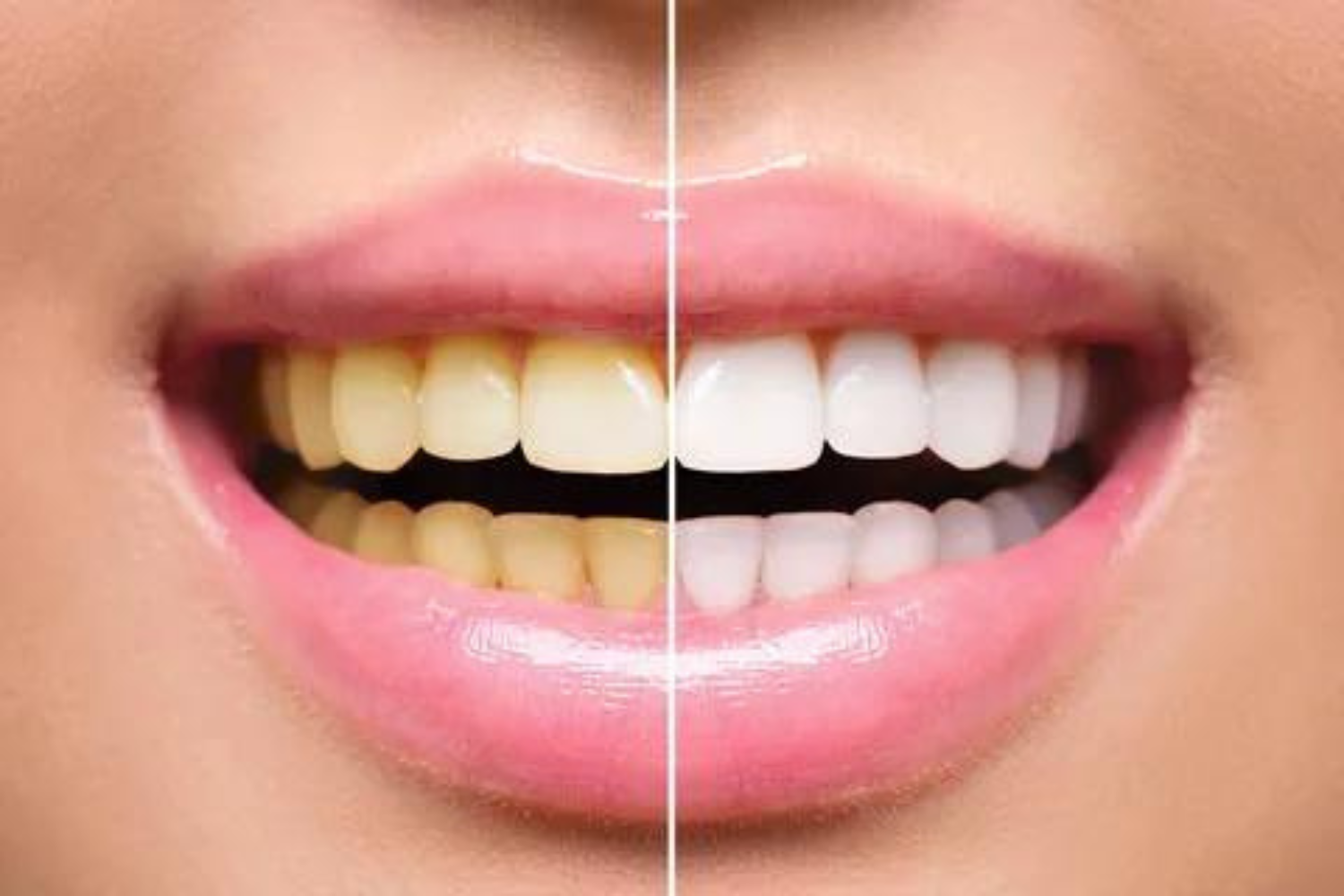
Stains from tea, coffee, and tobacco sit on and inside enamel. Whitening uses a peroxide gel, under a dentist’s supervision, to lighten the natural colour of teeth. Done correctly, it is one of the simplest cosmetic treatments. Done with the wrong product, it can leave teeth sensitive and gums burned.
What whitening can and cannot do
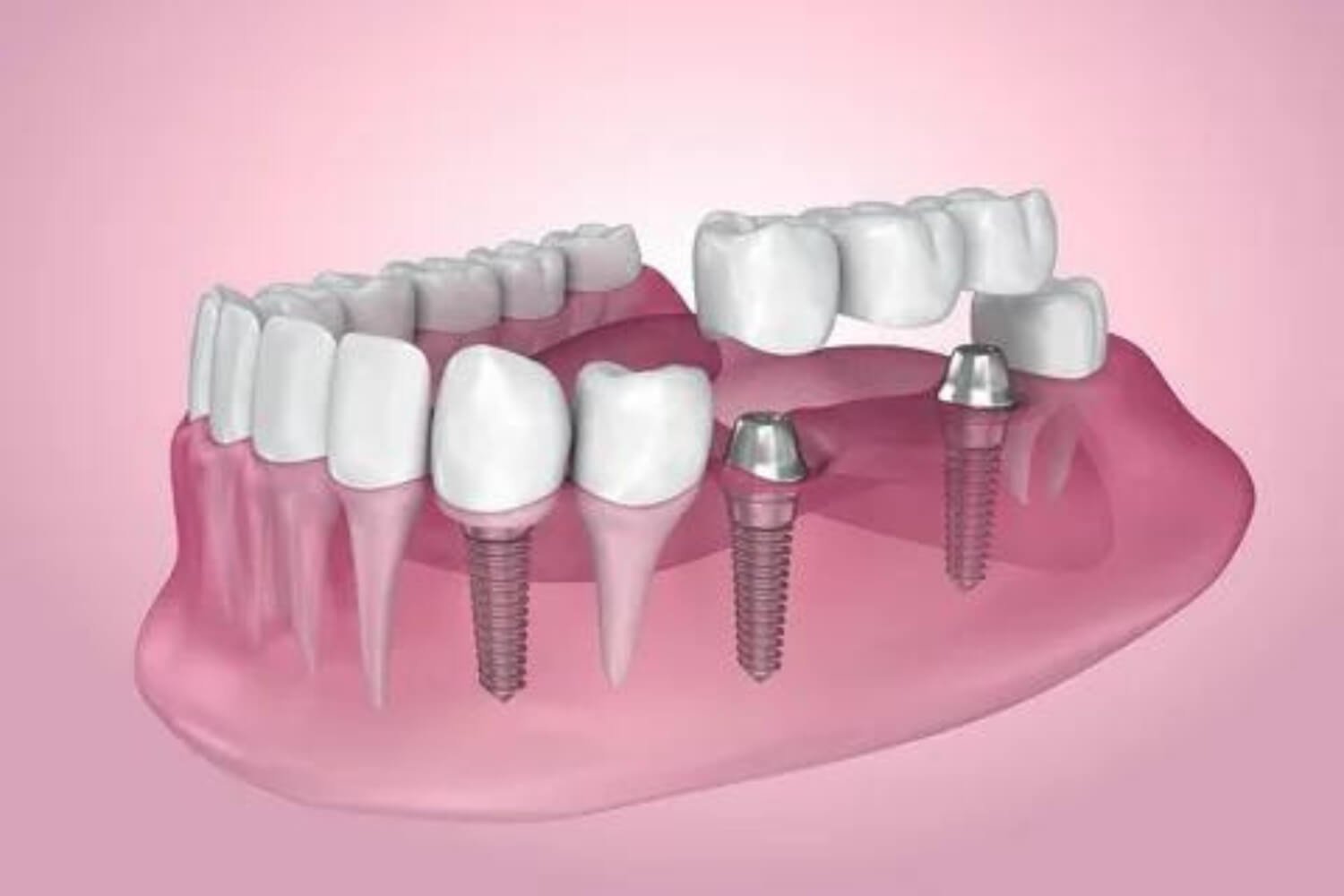
Whitening changes the colour of natural teeth. Fillings, veneers, and crowns stay the same shade, so a smile with mixed restorations needs a plan — sometimes whitening first, then replacing older work to match. Deep grey stains from old injury or certain medicines may lighten only partly. In those cases, veneers or bonding can be a better route to an even smile.
How to keep the result
- Rinse with water after coffee, tea, cola, and turmeric-heavy meals.
- Wait before booking whitening if you have untreated decay or gum inflammation.
- Use a sensitivity toothpaste if the dentist expects temporary zingers after treatment.
- Skip abrasive charcoal powders and unregulated online gels that scratch enamel.
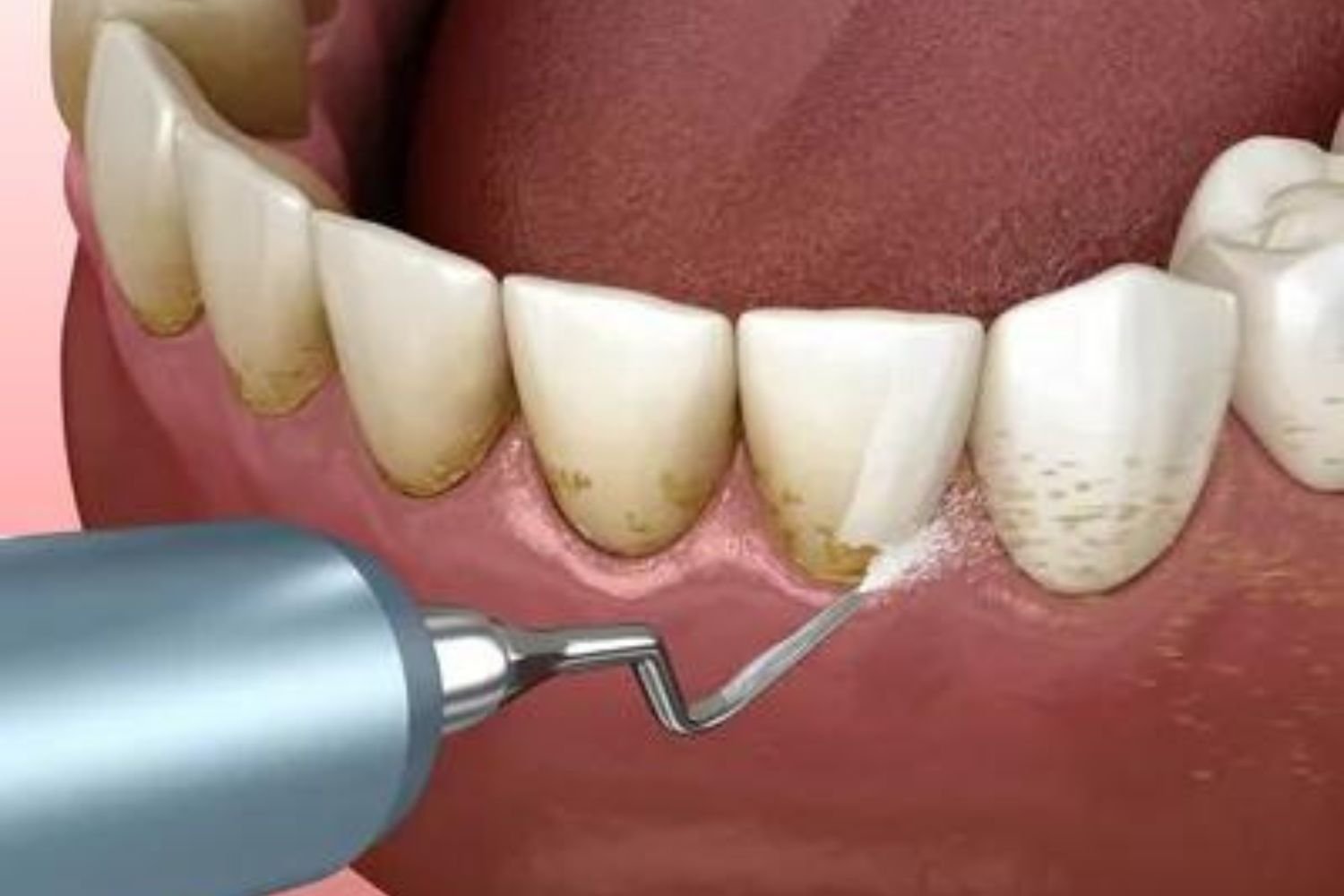
A brighter smile also depends on clean teeth. Polishing and a check for cavities come before gel is applied, so the colour change is even and the tooth is healthy underneath.