The reputation of root canal treatment comes from the toothache that leads people to the chair, not from the procedure itself. The infection inside the tooth is what throbs. Treatment cleans that space so the pain can settle and the tooth can stay in the mouth.
When a tooth needs it
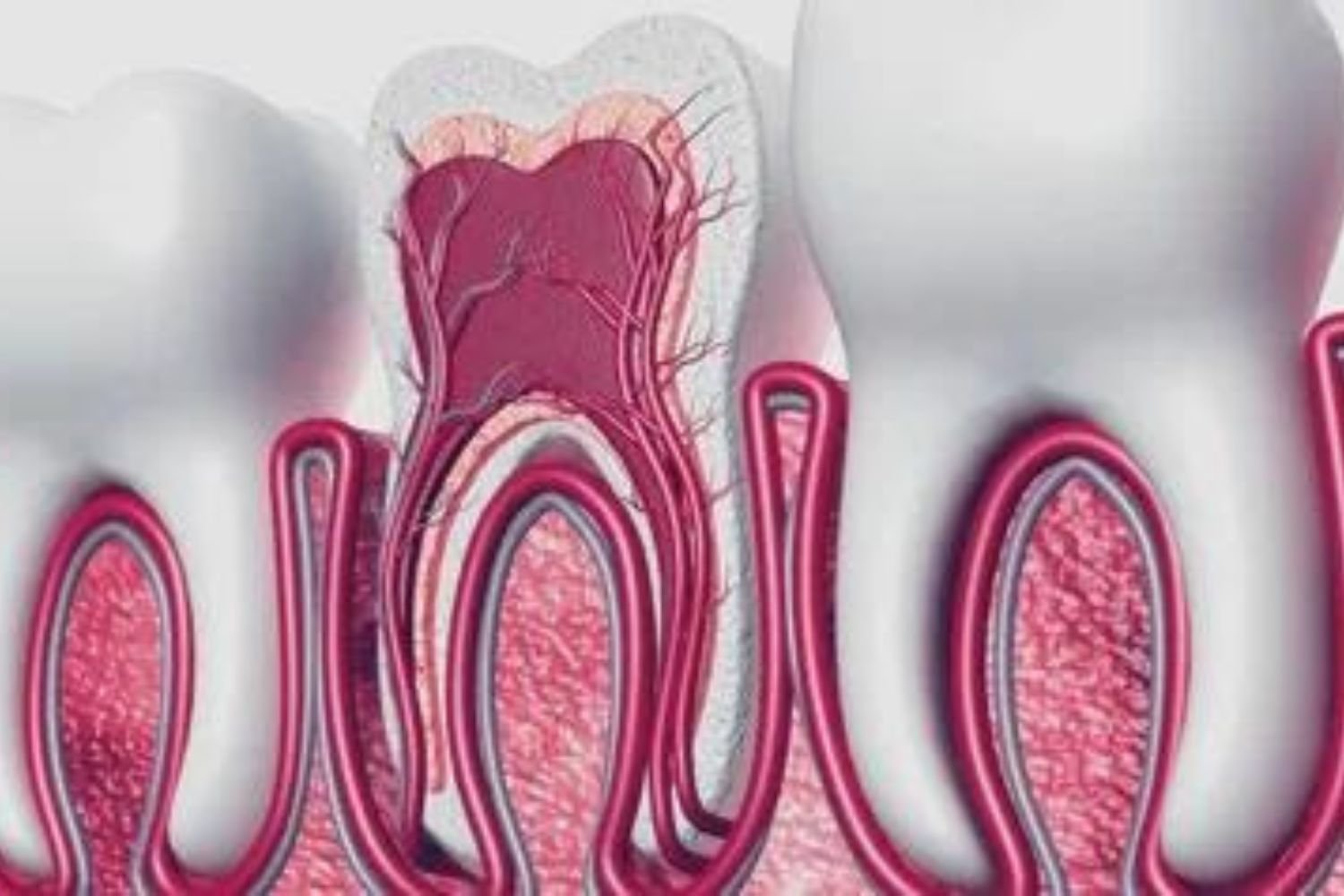
Deep decay, a crack, or a hard knock can let bacteria into the pulp — the soft tissue with nerves and blood vessels. Signs include lingering pain with hot or cold, swelling, a pimple on the gum, or pain on biting. Sometimes a tooth is quiet and the problem shows up only on an X-ray. Leaving it untreated can spread infection into the bone.
What the visit is actually like
Local anaesthetic numbs the tooth. The dentist opens the tooth, removes the infected pulp, shapes and disinfects the canals, then seals them. A microscope or laser can help in complex canals by improving visibility and cleaning. You should expect pressure, not sharp pain. Mild soreness for a day or two is common and is usually managed with the medicine your dentist recommends.
The crown matters
A back tooth that has had a root canal is more brittle. A crown protects it from splitting when you chew. Skipping that final step is a frequent reason treated teeth fail later. Front teeth sometimes need only a filling, depending on how much natural tooth remains.
Saving a natural tooth is usually kinder to your bite than removing it and replacing the gap. If you have been postponing treatment because of stories you have heard, a consultation will show whether the tooth can still be kept.